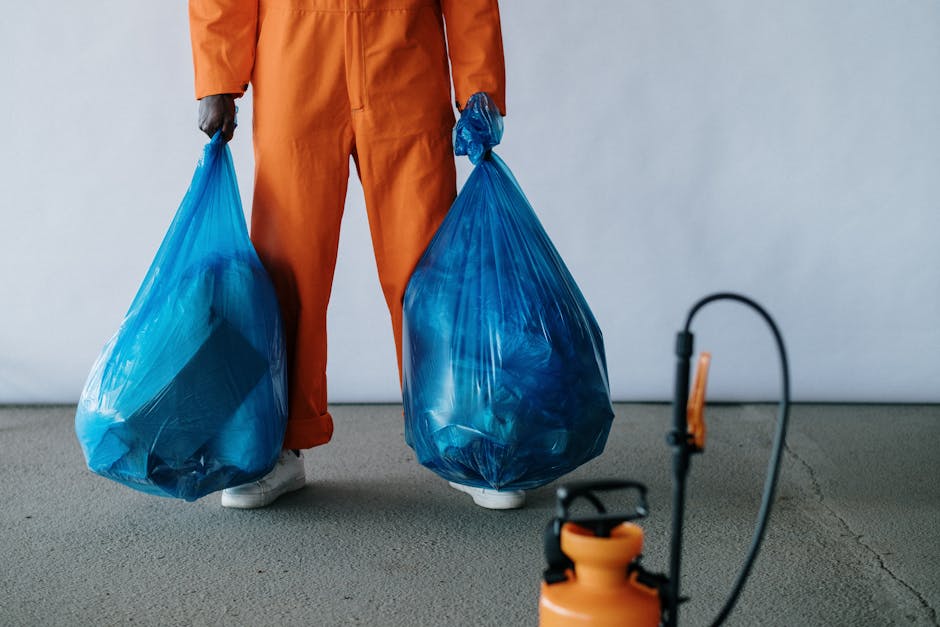
Waste Disposal Rules After Harringay Removals Donation Options

After a move, the real work often starts when the boxes are stacked by the wall and you realise not everything is going to the new place. That half-broken lamp, the sofa you swore you would keep, the bag of cables nobody can identify - it all has to go somewhere. This is where Waste Disposal Rules After Harringay Removals Donation Options become surprisingly important. If you handle unwanted items badly, you can waste time, miss donation opportunities, or accidentally leave behind rubbish that should have been sorted properly.
The good news? With a sensible plan, you can clear out responsibly, donate what still has life in it, and keep the rest moving through the right disposal route. This guide walks through how the process works, what to donate, what counts as waste, and how to avoid the common mistakes people make after a removal. It is practical, local, and aimed at helping you get the post-move mess under control without stress.
- Why the rules matter
- How the process works
- Benefits of getting it right
- Who needs this guidance
- Step-by-step action plan
- Expert tips for smoother disposal
- Mistakes to avoid
- Tools and resources
- Compliance and best practice
- Options comparison
- Real-world example
- Practical checklist
- Conclusion
- Frequently asked questions
Why Waste Disposal Rules After Harringay Removals Donation Options Matters
When people move in Harringay, they often focus on transport first and sorting second. Fair enough - moving day is noisy, hectic, and full of decisions. But once you start separating donation items from true waste, the whole job becomes easier. You protect reusable belongings from ending up in landfill, you reduce clutter in the new home, and you avoid leaving the removal team with a pile of unclear items at the kerb.
There is also a practical side. Donation centres, reuse schemes, and some charities will not take everything. They expect items to be clean, safe, and complete enough to pass on. Meanwhile, waste has its own route. Mixed rubbish, electricals, damaged furniture, and building-type debris all need careful handling. If you blur the line, you can create extra costs, delays, or rejected collections. And nobody wants that on a rainy Wednesday when the van is already booked.
For households and businesses alike, the topic matters because disposal is not just about "getting rid" of something. It is about selecting the right path for each item. That mindset saves time and supports better recycling outcomes too. If you are arranging a bigger move, you may also find it useful to look at recycling and sustainability guidance alongside your removal plan, because the two often go hand in hand.
Expert summary: The easiest post-removal strategy is simple: donate what is safe and usable, recycle what can be processed, and dispose of only the true waste. Sort first, move second. It saves hassle later.
How Waste Disposal Rules After Harringay Removals Donation Options Works
The process usually begins before the moving van arrives. You walk through the property room by room and decide what stays, what goes to donation, and what is no longer fit for use. That sounds obvious, but in real life it is where people get tripped up. A chair with a broken leg might be waste. A sturdy chair with a scruffy cover might be a donation candidate after a quick clean. The distinction matters.
In a typical Harringay move, the sequence looks like this:
- Separate essentials, keep items, and unwanted belongings.
- Check which items are suitable for donation or reuse.
- Set aside waste for proper disposal.
- Identify anything that needs specialist handling, such as electrical items, bulky furniture, or fragile equipment.
- Choose the right collection or drop-off route.
Donation options can include direct handover to a charity shop, a reuse collection, or a service that collects furniture and other usable goods. Waste, by contrast, may need a licensed carrier, a local disposal facility, or a removal service that can separate recyclable material from general rubbish. If you want support with that wider moving job, pages like removals and furniture removals can be relevant because the removal phase often determines how much sorting work is left behind.
One small but important point: not all waste is equal. Some items are reusable but not suitable for donation. Others are technically recyclable but still need to be broken down first. That is why a quick sort on the floor can save a lot of back-and-forth later. You will notice this most with furniture, packing materials, old appliances, and office clutter.
Key Benefits and Practical Advantages
Getting the disposal and donation process right after a Harringay removal is not just about being tidy. It has real-world benefits that show up immediately and a few that only become obvious a week later, once the move dust has settled.
- Less stress on moving day: if items are pre-sorted, the removal team can work faster and you make fewer last-minute decisions.
- Better use of reusable items: furniture, books, kitchenware, and home accessories often still have value.
- Cleaner handover: a flat, house, or office is much easier to leave in decent condition when waste is already organised.
- Reduced disposal mistakes: fewer chances of placing useful goods in the wrong pile or mixing waste types together.
- Potential cost control: separating donation and waste can sometimes reduce the amount of material needing paid disposal.
- Better sustainability outcomes: reuse and recycling typically beat disposal to landfill, which is a win for the environment and for common sense.
Another practical advantage is clarity. Once you label items properly, there is less room for disagreement. This matters in shared homes, rented flats, offices, and student moves where different people have different ideas about what should stay. Let's face it, one person's "this still works" is another person's "that should have gone ages ago." A clear process cuts through that.
If your move includes bulky household items, the service route matters too. For example, larger loads may be easier to manage with house removals or a smaller man and van arrangement depending on scale. The right choice helps you avoid overloading the move with unnecessary junk.
Who This Is For and When It Makes Sense
This topic applies to more people than you might think. Home movers are the obvious group, but there are several others who benefit from proper disposal planning.
- Home movers: families, couples, landlords, and tenants clearing rooms after a move.
- Flat movers: especially where access is tight and every item has to be thought through carefully.
- Students: a classic case of "it will be useful next term" that often turns into clutter.
- Office teams: desks, filing, packaging, old monitors, and general clear-out waste.
- People downsizing: when the new space is smaller, the donation bin gets busy very quickly.
- Anyone with bulky furniture to clear: sofas, wardrobes, tables, and damaged soft furnishings.
This also makes sense if you are between properties, staging a property for sale, or dealing with inherited belongings. In those situations, sorting what can be donated from what needs disposal can feel emotional as well as practical. A gentle, methodical approach helps. You do not have to decide everything in one sitting, either.
For business moves, the issue often becomes more complicated because office waste can include confidential paper, mixed packaging, and old equipment. If that sounds familiar, you may want to explore commercial moves and office removals as part of a broader clearance plan.
Step-by-Step Guidance
Here is a straightforward method you can use after a Harringay removal, whether you are clearing one room or an entire property.
- Make three piles: keep, donate, and dispose. That simple split is still the best starting point.
- Inspect condition carefully: clean, complete items are donation-friendly; damaged, stained, or unsafe ones are usually not.
- Remove personal data: clear documents, labels, memory sticks, and anything that could expose private information.
- Group similar materials together: cardboard with cardboard, textiles with textiles, and electricals apart from furniture.
- Check item size and weight: some donation routes are fine for small goods but not for heavy or awkward furniture.
- Book the right collection: a removal van, a disposal pickup, or a donation collection depending on what remains.
- Do a final sweep: cupboards, lofts, under-bed storage, and shed corners are where stray items love to hide.
A real-life tip? Put a sheet of tape on each pile and write in big letters: "donate", "waste", or "keep". It sounds almost too simple, but it works. In the rush of a move, people do not always read details. Big labels do the job.
It also helps to decide early what you are doing with packing materials. Some boxes, paper wraps, and clean fillers can be reused, while damaged or soiled packaging belongs in waste or recycling. If you need help with the packing stage as well, packing and boxes and packing and unpacking services can fit neatly into the process.
Expert Tips for Better Results
After enough removals, a few patterns become obvious. The following tips are the ones that genuinely make a difference.
- Sort before the vehicle arrives: once the van is outside, people rush and misjudge what can be reused.
- Clean donation items lightly: a quick wipe-down or vacuum can be the difference between accepted and refused.
- Keep screws, legs, and parts together: flat-pack furniture without hardware is much harder to donate.
- Separate electrical items early: phones, lamps, kettles, monitors, and cables should not be mixed with general waste.
- Be honest about condition: if something is wobbly, cracked, or smelly, donation is probably not the right route.
- Use storage for borderline items: if you are unsure whether to keep something, short-term storage can buy you time.
That last point is underrated. People often throw away or donate items too quickly because they are tired. Then, three days later, they regret it. If you are not certain, and the item is not urgent, consider a pause. Storage can be useful during a move, especially when timelines are tight or the new space is not ready yet. If that is your situation, storage options may help you avoid a rushed mistake.
One more thing: don't let sentimental decisions masquerade as practical ones. We have all stood there with a chipped mug and said, "I might need this someday." Maybe you won't. Maybe you will. Be honest with yourself.
Common Mistakes to Avoid
Most post-move disposal problems come from a handful of avoidable mistakes. They are easy to make when you are tired, but they are just as easy to prevent with a bit of structure.
- Mixing donation items with waste: once things are combined, the usable pieces often get thrown out.
- Donating damaged goods: most charities and reuse services cannot accept items that are unsafe or incomplete.
- Leaving sorting until the final hour: that is how helpful items disappear into the wrong pile.
- Forgetting about hidden waste: cupboards, lofts, under sinks, and garden corners tend to be forgotten.
- Assuming everything recyclable is easy to recycle: some materials need separation or preparation first.
- Ignoring access and lifting issues: large items can require planning, not just enthusiasm and a pair of trainers.
There is also a legal and practical mistake that catches people out: using an unverified disposal route. If waste is handed to someone who cannot manage it properly, you may still have questions to answer later. That is why it is worth using reputable removal support and making sure there is a clear handoff. If you want a fuller picture of how the company approaches safety, the pages on health and safety and insurance and safety are worth a look.
Tools, Resources and Recommendations
You do not need fancy equipment to handle post-removal disposal properly. A few basic tools and a bit of structure usually go a long way.
| Tool or Resource | What It Helps With | Why It Matters |
|---|---|---|
| Labels or masking tape | Marking keep, donate, and waste piles | Reduces confusion and accidental mixing |
| Marker pen | Writing room names or item notes | Makes sorting faster on busy moving days |
| Strong refuse sacks | Separating small waste items | Keeps loose rubbish from spreading everywhere |
| Cleaning cloths | Preparing donation items | Improves the chance items are accepted |
| Basic screwdriver set | Disassembling furniture | Helps fit bulky items into a removal route more easily |
| Short-term storage | Holding undecided items | Useful when you need breathing space before a final decision |
For a smoother move overall, it can help to pair disposal planning with the rest of the removal process rather than treating it as a separate afterthought. Services like home moves, flat removals, and student removals are often the practical backdrop where sorting and disposal decisions happen.
If you are moving particularly quickly, same-day support may be relevant too. Not every job needs it, of course, but when timing is tight, a quick clearance can prevent rubbish from sitting around in the hall for days. Nobody enjoys that smell, and it somehow always lingers near the front door.
Law, Compliance, Standards, or Best Practice
For disposal and donation after removals, the safest approach is to follow recognised UK waste-handling practice and any local council guidance that applies to your address. The exact rules can vary depending on the type of waste, so it is wise to treat general household waste, bulky waste, electrical items, and recyclable materials as separate streams unless you know otherwise.
In plain English, the main principles are straightforward:
- Only pass on items that are safe and fit for reuse.
- Do not leave waste with an unknown handler.
- Keep hazardous or specialist items separate.
- Make sure your chosen disposal route is appropriate for the material.
Best practice also means being careful with paperwork, confidential items, and anything containing personal information. Shredding or secure disposal may be needed for documents. For office clearances, that caution matters even more. If your move includes premises, filing, or business equipment, office relocation services can support a cleaner and more controlled handover.
It is also sensible to work with providers who are transparent about terms, pricing, and how they handle items. That kind of clarity matters before the van turns up, not after. The pages on pricing and quotes, terms and conditions, and payment and security support that expectation.
Options, Methods, or Comparison Table
Different items call for different routes. This is where a simple comparison helps you choose without overthinking it.
| Option | Best For | Pros | Limitations |
|---|---|---|---|
| Donation | Clean, usable furniture and household items | Extends item life; reduces waste | Items must meet acceptance standards |
| Recycling | Cardboard, some plastics, metals, and suitable electricals | Supports material recovery | Items often need sorting or dismantling |
| General waste disposal | Broken, dirty, or unusable items | Simple for true rubbish | Should be the last resort for reusable goods |
| Short-term storage | Items you are not yet ready to decide on | Buys time; avoids rushed decisions | Not a final disposal solution |
| Removal service with sorting support | Mixed loads after a move | Convenient; reduces manual heavy lifting | Needs clear instructions from you |
If the load is mixed and awkward, a flexible vehicle option can help. A man with van service may suit smaller local jobs, while a moving truck is better when the volume is larger. Picking the right method stops the job from turning into a pile-up of half-moved furniture in the hallway.
Case Study or Real-World Example
Picture a typical Harringay flat move on a Friday afternoon. The tenant has lived there for three years, the hallway is narrow, and there is a mix of furniture, old kitchen items, books, and packing waste. By the time everything is boxed, there are three clear categories: a dining chair set in decent condition, a broken desk chair, and several sacks of packaging and miscellaneous rubbish.
Instead of bundling everything into one pile, the tenant spends twenty minutes sorting. The dining chairs go into the donation category because they are clean and complete. The broken desk chair goes to waste because it is not stable enough to pass on. The packaging is separated for recycling where possible, and only the contaminated or damaged items go to general waste. The result? Less material to dispose of, fewer items in the van, and a much calmer end to the move.
What changed most was not the amount of stuff, but the decision-making. Once each item had a label, the rest was straightforward. The move still had the usual noise and last-minute chaos - somebody always loses a charger, somehow - but the disposal side stayed under control.
That is the real lesson here. Good waste disposal after removals is not about perfection. It is about making sensible choices, early enough, so you are not deciding with one foot out the door.
Practical Checklist
Use this checklist just before or just after your Harringay removal to keep the disposal process tidy.
- Have I separated keep, donate, and waste items?
- Are all donation items clean, safe, and complete?
- Have I removed personal documents and private data?
- Are electrical items grouped separately?
- Have I checked cupboards, lofts, sheds, and under furniture?
- Are packaging materials sorted for reuse or recycling?
- Do I know which items need specialist handling?
- Have I arranged the correct collection or disposal method?
- Am I clear on any terms, costs, or safety requirements?
- Have I left enough time so the process does not become rushed at the end?
If you can tick most of those off, you are in good shape. If not, do not panic. Start with the biggest items and work down. That alone clears a surprising amount of mental clutter.
Get a free quote today and see how much you can save.
Conclusion
Waste disposal after a move is one of those jobs that looks minor until it is sitting in front of you. Then it becomes very real, very quickly. The best way through is to sort items early, donate what is still useful, and send only true waste down the disposal route. That approach keeps your move cleaner, lighter, and a lot more manageable.
For Harringay residents, the smartest outcome is usually a mix of good judgment, practical planning, and the right moving support. You do not need to overcomplicate it. A clear plan, a few labels, and a calm hour of sorting can save a whole afternoon of regret later. And honestly, that is time well spent.
By the end, the goal is not just an empty room. It is a proper fresh start - one where the useful things keep going, the waste is handled responsibly, and the new place feels ready to live in.
Frequently Asked Questions
What counts as donation-ready after a removal?
Donation-ready items are usually clean, safe, complete, and still usable. Furniture without major damage, working household items, books, and some textiles often fit this category. If it feels wobbly, dirty, or incomplete, it is probably better treated as waste or recycling instead.
Can I donate furniture straight after moving?
Yes, if the furniture is in good condition and the donation route accepts it. It is sensible to check that it is free from major stains, structural damage, or missing parts before arranging collection or drop-off.
What should I do with broken electrical items?
Broken electrical items should not go into general rubbish with everything else. They need separate handling because of the components inside. If they cannot be repaired or donated, they are usually routed through recycling or specialist disposal.
Is it better to donate or recycle after a move?
Donate whenever an item is still usable and safe enough for someone else to take on. Recycle when the item is no longer fit for reuse but can still be processed as material. General waste should be the last option, not the first.
How do I stop waste and donation items from getting mixed up?
Use separate piles, clear labels, and do the sorting before the removal van arrives if possible. Big labels on tape work surprisingly well. It sounds simple, but it prevents a lot of mistakes when everyone is busy.
Do I need a specialist service for bulky items?
Sometimes, yes. Large wardrobes, sofas, pianos, or awkward office furniture may need a suitable removal setup and careful handling. If access is tight or the item is heavy, planning matters more than usual.
What happens to items I do not want to keep but cannot donate?
Those items usually move into recycling or disposal depending on the material and condition. Some can be broken down, some need special handling, and some will simply be treated as general waste. The key is to keep them separate from reusable goods.
Can I use storage if I am unsure about an item?
Yes. Short-term storage can be a practical pause if you are undecided, especially during a move where emotions and time pressure make judgement a bit fuzzy. It is not a final answer, but it can stop you rushing a decision you may regret.
What is the biggest mistake people make after removals?
The biggest mistake is usually leaving sorting too late. Once the van is waiting and people are tired, reusable items get mixed with waste and the chance to donate them drops fast. A little early planning saves a lot of mess.
Are there any rules I should be careful about in the UK?
Yes, especially around safe handling, appropriate disposal routes, and keeping different waste types separate. Local requirements can vary, so it is sensible to follow recognised UK waste practice and use reputable services for anything bulky, specialist, or uncertain.
Can removal services help with disposal as well as moving?
Often they can, especially where there is a mixed load of furniture, packing material, and leftover household items. The important part is to be clear about what needs moving, what should be donated, and what is waste from the start.
How can I make the whole process less stressful?
Break it into small decisions. Start with one room, then one pile, then one category. Keep donation items separate, label waste clearly, and do not leave everything to the final hour. Simple, yes - but it works.